

High Quality Fast Food Truck catering transforms events by providing a unique dining experience. Guests enjoy a wide variety of cuisines and personalized menus that match their preferences. The mobility of food trucks introduces excitement and novelty, while their presence fosters a relaxed atmosphere. Attendees interact more freely, which boosts morale and encourages social engagement. Hosts value these benefits when seeking memorable catering solutions.
Define Your High Quality Fast Food Truck Event Needs
Event Type and Theme
Selecting the right event type and theme sets the foundation for a successful catering experience. Organizers should match the food truck selection to the event’s purpose and atmosphere. The following table outlines common event types that frequently utilize high quality fast food truck catering:
| Event Type | Description |
|---|---|
| Weddings | Used for rehearsal dinners, late-night snacks, or main reception meals. |
| Corporate Events | Ideal for employee appreciation days, team lunches, and client events. |
| Private Parties | Perfect for birthdays, anniversaries, and graduation parties. |
| Festivals & Community Gatherings | Adds convenience and variety to larger public events. |
“Barran said the success of the KERB markets rests on the careful selection of traders.”
A well-chosen theme influences vendor selection and menu customization. For example, a retro-themed party may require classic American fare, while a multicultural festival benefits from diverse cuisine options. Organizers should communicate their vision clearly to ensure the food truck aligns with the event’s style.
Guest Count and Demographics
Accurate guest count and understanding attendee demographics help determine the number and size of food trucks required. Organizers should consider age groups, dietary preferences, and cultural backgrounds. A family reunion may need kid-friendly options, while a corporate event might prioritize gourmet selections. Matching menu offerings to guest profiles ensures satisfaction and smooth service flow.
Budget Planning
Budget planning remains essential for any High Quality Fast Food Truck event. Costs typically range from $10 to $35 per guest, with a minimum total between $800 and $1,300 for smaller gatherings. For 100 attendees, organizers can expect to spend $1,000 to $3,500. Effective strategies for estimating costs include:
·Understanding food, labor, and overhead expenses.
·Considering service styles such as buffet or plated service.
·Implementing portion control and waste reduction.
·Designing seasonal menus to optimize ingredient costs.
Careful budgeting allows organizers to maximize value while delivering a memorable dining experience.
Dietary Requirements and Preferences
Event organizers must address dietary requirements and preferences to deliver an inclusive catering experience. Guests often arrive with specific needs, and successful events anticipate these requests in advance. High Quality Fast Food Truck vendors recognize the importance of menu flexibility and work closely with hosts to ensure every attendee enjoys the meal.
The most common dietary preferences that food truck caterers accommodate include:
1.Veganism: This diet excludes all animal products. Guests following a vegan lifestyle expect dishes centered on fruits, vegetables, grains, and beans.
2.Vegetarianism: Vegetarian guests avoid meat, poultry, and seafood. Some may consume dairy or eggs, while others follow stricter guidelines.
3.Gluten-Free: Individuals with gluten sensitivities or celiac disease require meals free from wheat, barley, and rye.
Organizers should collect dietary information during the RSVP process. This proactive approach allows vendors to prepare suitable options and avoid last-minute complications. Many food trucks offer customizable menus, enabling them to adjust recipes or substitute ingredients as needed.
Tip: Clearly communicate all dietary restrictions to the food truck team at least two weeks before the event. Early notice ensures proper planning and ingredient sourcing.
Food truck caterers often provide allergen information and ingredient lists upon request. This transparency builds trust and helps guests make informed choices. Organizers should also consider cultural or religious dietary practices, such as halal or kosher requirements, when planning the menu.
A High Quality Fast Food Truck catering experience stands out when every guest feels included. By prioritizing dietary needs, event hosts demonstrate care and attention to detail, which enhances the overall atmosphere and guest satisfaction.
Research and Shortlist High Quality Fast Food Truck Vendors
Selecting the right vendors forms the backbone of a successful event. Organizers must evaluate each food truck carefully to ensure the highest standards and a memorable experience.
Reputation and Reviews
Reputation stands as a key indicator of vendor reliability. Organizers often rely on online platforms to find trusted food trucks. Goodfynd has emerged as a leading resource in 2026. The platform connects food vendors with customers and offers scheduling tools that streamline the booking process. Its AI-powered events finder, FyndAI Leads, recommends personalized events for food trucks, making it easier for organizers to match vendors to their needs.
Tip: Always check recent reviews and ratings before making a decision. Positive feedback from previous clients signals consistent quality and professionalism.
Organizers should also reach out to vendors directly and request references. Past customer experiences provide valuable insight into service quality and event performance.
Menu Quality and Variety
Menu quality and variety distinguish a High Quality Fast Food Truck from ordinary options. Vendors must offer diverse selections that cater to different tastes and dietary needs. Food Trucks on The Move, for example, provides access to over 20 trucks, each specializing in unique cuisines. This approach allows event planners to select trucks that fit their event theme and guest preferences.
The following table highlights popular menu categories and sample items frequently offered by high quality food trucks:
| Menu Category | Sample Menu Items |
|---|---|
| Noodle Bar | Tonkotsu Ramen, Spicy Miso Ramen, Vegetable Pho, Chicken Pad Thai |
| Artisanal Coffee and Breakfast Pastries | Signature Honey Lavender Latte, Single-Origin Pour-Over, Classic Croissant, Savory Ham and Gruyère Croissant |
| Farm-to-Table Fresh Bowls | The Farmer’s Harvest Bowl, Autumn Roots Bowl, Summer Berry Salad, Spicy Southwest Bowl |
| Mediterranean and Middle Eastern | Chicken Shawarma Wrap, Lamb Kebab Platter, Falafel Mezze Box, Beef Kofta Kebab |
Organizers should discuss menu customization with vendors. Many trucks offer flexible options, including color customization and equipment recommendations, to create a unique experience. Diverse menus ensure all guests find something they enjoy, from seafood and BBQ to pizzas and desserts.
Experience with Similar Events
Experience with similar events demonstrates a vendor’s ability to handle specific requirements. Organizers should ask vendors about their history with comparable gatherings. Vendors who have catered weddings, corporate functions, or festivals understand the logistics and expectations involved.
A structured approach helps shortlist the best candidates:
1.Determine the budget based on guest count and menu options.
2.Identify menu preferences and dietary restrictions.
3.Choose a suitable location with ample space for trucks.
4.Check permits and regulations for food truck operations.
5.Contact vendors early to confirm availability.
6.Discuss menu customization to match the event theme.
- Inquire about additional services such as setup and cleanup.
- Research reviews and check references.
- Ensure proper insurance coverage.
- Maintain open communication throughout planning.
- Confirm final details as the event date approaches.
- Prepare a backup plan for unforeseen circumstances.
Organizers who follow these steps secure High Quality Fast Food Truck vendors with proven experience. This process minimizes risks and ensures smooth service on the event day.
Availability and Responsiveness
Availability and responsiveness play a critical role in the success of any event involving food truck catering. Event organizers must ensure that their chosen vendors can commit to the event date and respond promptly to all inquiries. Reliable communication builds trust and prevents misunderstandings during the planning process.
Vendors who demonstrate high availability often provide flexible scheduling options. They can accommodate last-minute changes and adjust to evolving event needs. Organizers should confirm the vendor’s calendar early in the planning phase. This step helps avoid double bookings and ensures the food truck will arrive on time.
Responsiveness reflects a vendor’s professionalism. Quick replies to emails, calls, or messages indicate a commitment to customer service. Organizers should track response times during initial conversations. Vendors who answer questions clearly and promptly tend to handle event-day challenges more effectively.
Tip: Request a direct contact number for the day of the event. This ensures immediate communication if any issues arise.
To evaluate a vendor’s availability and responsiveness, organizers can:
- Ask about blackout dates and peak seasons.
- Request a sample communication timeline.
- Observe how quickly the vendor replies to initial inquiries.
- Inquire about backup plans if unforeseen circumstances occur.
A High Quality Fast Food Truck vendor often provides a dedicated coordinator or point of contact. This person manages logistics, answers questions, and keeps the organizer informed throughout the process. Consistent updates and proactive communication reduce stress and help events run smoothly.
Organizers should document all agreements and keep a record of conversations. Written confirmation of dates, times, and menu details prevents confusion. Clear communication channels allow both parties to address concerns before they become problems.
Note: Availability and responsiveness set the tone for the entire catering experience. Vendors who prioritize these qualities deliver reliable service and contribute to a memorable event.
High Quality Fast Food Truck Menu Customization and Tasting
Custom Menu Options
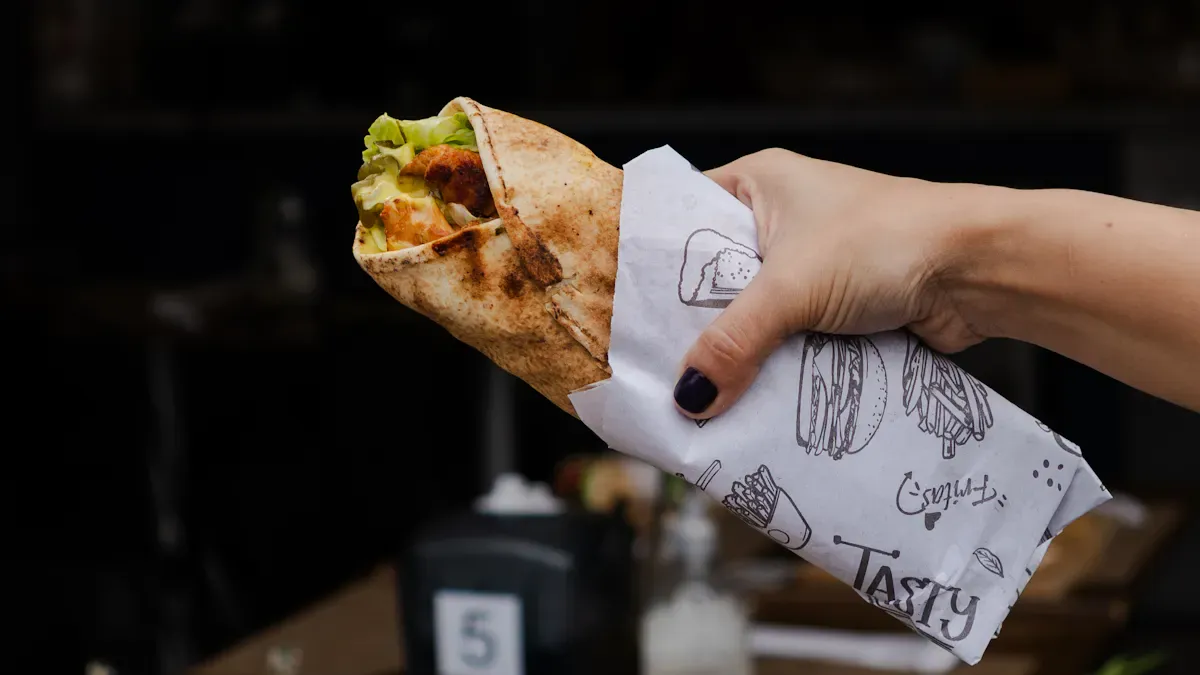
Event planners often seek unique menu options to match their event themes and guest preferences. High Quality Fast Food Truck vendors offer extensive customization, allowing organizers to select dishes that reflect the occasion. Many trucks provide color customization for their carts, enhancing the visual appeal and aligning with event branding. The following table highlights popular food trucks and their specialties:
| Food Truck Name | Great for | Cuisine Types |
|---|---|---|
| The Taco Cartel | Custom Menus, Fundraisers, Vegans & Vegetarians, Weddings | Tacos, Mexican, Savory, Burritos |
| The Tropic Truck | Custom Menus, Huge Events, Corporate Catering, Vegans & Vegetarians | Tacos, Savory, Vegetarian, Caribbean, Seafood, Wraps |
| La Fiesta Mexican Cuisine | On-Set Catering, Family Events, Huge Events, Fundraisers | Tacos, Mexican, Savory, Burritos, Sandwiches, Hot Dogs |
| G’s Taco Spot on Wheels | On-Set Catering, Fundraisers, Corporate Catering, Weddings | Tacos, Mexican, Savory, Burritos, Breakfast, Vegetarian |
Organizers can collaborate with vendors to design exclusive menus, ensuring the food truck experience feels personalized and memorable.
Dietary Accommodations
Dietary needs play a crucial role in menu planning. Food truck caterers accommodate restrictions by offering vegetarian, vegan, and gluten-free alternatives. They require advance notice to prepare their equipment and prevent cross-contamination. Many vendors customize their menus to meet specific dietary requirements, creating a tailored dining experience for every guest.
·Vendors provide gluten-free and vegan options.
·They prepare equipment to avoid cross-contamination.
·Menu customization ensures inclusivity.
Organizers should confirm these accommodations early in the planning process to guarantee all guests enjoy the event.
Scheduling Tastings
Tastings allow organizers to sample menu items before the event. Vendors schedule tastings to showcase their culinary skills and help planners finalize selections. Tastings provide an opportunity to evaluate flavor, presentation, and portion sizes. Organizers should book tastings well in advance, especially for large events or when multiple dietary needs exist.
Tip: Schedule tastings at least one month before the event to allow time for adjustments.
Tastings ensure the High Quality Fast Food Truck experience meets expectations and delivers satisfaction to every attendee.
High Quality Fast Food Truck Pricing and Contracts
Pricing Models and Packages
Event organizers encounter several pricing models when booking food truck catering. Each model offers flexibility for different event sizes and budgets. The following table outlines the most common structures:
| Pricing Model | Description |
|---|---|
| Per-person pricing | Costs range from $8-15 per person, ideal for events with a solid headcount. |
| Hourly rates | Typically $200-500 per hour, suitable for events with a flexible guest arrival. |
| Flat-rate packages | Bundled pricing for a specific number of people, offering value for larger events. |
Many vendors also provide tiered packages—basic, standard, and premium—to accommodate various needs. Custom quotes are available for unique menu requests or special dietary requirements. Some events may require a minimum spend, which ensures profitability for smaller gatherings or off-peak bookings.
Tip: Organizers should request detailed package descriptions to compare value and inclusions before making a decision.
Deposits and Payment Schedules
Securing a High Quality Fast Food Truck vendor typically involves a deposit. Vendors often set deposits as a percentage of the total event cost. This practice helps balance the risk of cancellations with affordability for clients. Factors such as inventory preparation, staff scheduling, and weather risks influence the deposit amount.
Most vendors outline payment schedules in their contracts. Organizers can expect to pay an initial deposit to reserve the date, with the remaining balance due before or on the event day. Clear communication about payment terms helps prevent misunderstandings.
·Deposits usually range from 20% to 50% of the total cost.
·Final payment deadlines vary by vendor.
·Written contracts specify all payment details.
Cancellation and Refund Policies
Cancellation and refund policies protect both the client and the vendor. Written notice is almost always required for cancellations. Refund eligibility depends on how far in advance the cancellation occurs. The table below summarizes standard terms:
| Cancellation Terms | Details |
|---|---|
| Written Notice Required | Yes |
| Refundable if Canceled [X days] Prior | Yes, minus [percentage] fee |
| Non-refundable if Canceled Within [X days] | Yes |
If a client cancels close to the event date, the vendor may retain a portion of the deposit as a cancellation fee. Organizers should review all terms carefully and clarify any questions before signing.
Note: Transparent contracts and early communication help avoid disputes and ensure a smooth booking process.
Extra Fees and Hidden Costs
Event planners often focus on base pricing but may overlook additional charges that impact the final bill. Understanding extra fees and hidden costs helps organizers budget accurately and avoid surprises. High Quality Fast Food Truck vendors maintain transparency, but event hosts should always ask for a detailed breakdown.
Common extra fees include:
·Travel fees for events outside the vendor’s standard service area. These charges cover fuel and time spent commuting.
·Setup and breakdown fees, especially for events requiring early arrival or late departure.
·Premium menu item upcharges. Specialty ingredients or signature dishes often cost more.
·Minimum guarantees, which ensure the vendor covers basic operating expenses. These fees apply even if attendance falls short.
·Location-based surcharges. Venues with limited access or special requirements may trigger additional costs.
·Festival and large event fees, such as space rental, event participation charges, and utility fees for electricity or water.
Tip: Always request a comprehensive quote that lists all potential fees. This practice prevents unexpected expenses on the event day.
The following table summarizes typical extra fees and their purpose:
| Fee Type | Purpose/Description | Typical Range |
|---|---|---|
| Travel Fee | Covers fuel and travel time outside service area | $50 – $200+ |
| Setup/Breakdown Fee | Compensates for special timing or labor | $50 – $150 |
| Premium Menu Upcharge | Applies to specialty or high-cost ingredients | $2 – $8 per guest |
| Minimum Guarantee | Ensures vendor covers operating costs | $300 – $1,000 |
| Location Surcharge | For difficult access or special venue requirements | Varies |
| Festival/Event Fee | Includes space, utilities, and event participation | Varies |
Organizers should also consider that some festivals require overnight security or take a percentage of vendor revenue. Open communication with vendors ensures all parties understand the fee structure. Careful review of contracts and quotes protects the event budget and supports a smooth High Quality Fast Food Truck experience.
Logistics and Venue Coordination for High Quality Fast Food Truck Catering
Parking and Access Requirements
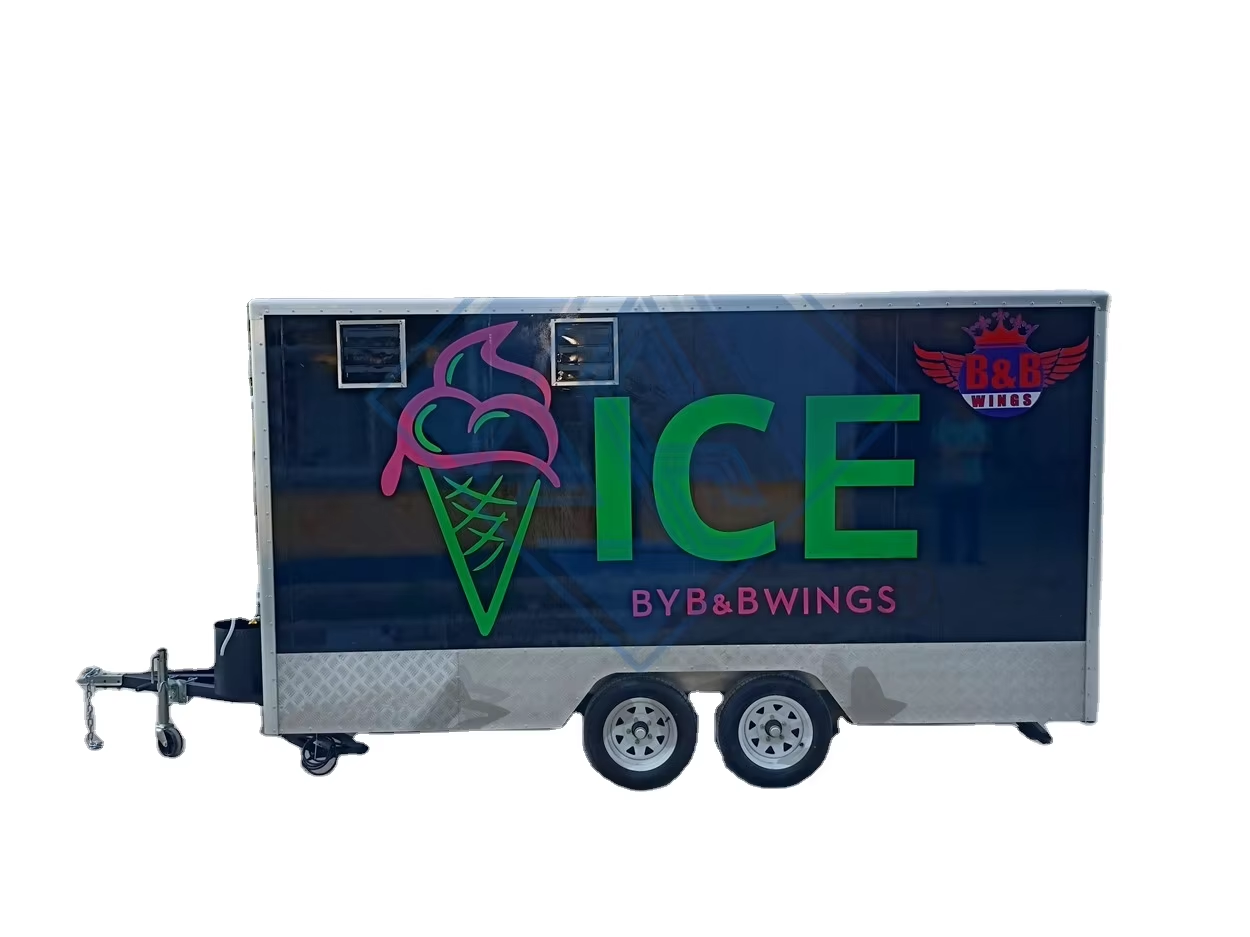
Event coordinators must secure suitable parking and access for food trucks. They should prioritize accessible parking spaces with level access aisles for easy maneuverability. These spaces need to be as close as possible to the main event site or building entrance, connected by a smooth, level path. At least one in every six accessible parking spaces should be van accessible and wider than standard spaces. Clear signage displaying the accessibility symbol helps guests identify these spots quickly. If parking is not adjacent to the event site, organizers must provide accessible routes for all attendees. Temporary accessible spaces can be created in various parking areas, as long as they remain level and close to entrances.
Power and Equipment Needs
Food trucks often require reliable power sources to operate efficiently. Many trucks bring their own generators, but some events may need electrical hookups from the venue. Event planners should confirm power requirements with both the venue and the food truck vendor before the event. Adequate space for parking and serving is essential for smooth operations. Event coordinators must handle all power and parking arrangements in advance. On the event day, coordination between the venue and vendors ensures that all equipment functions properly and service remains uninterrupted.
Setup and Serving Times
Proper scheduling of setup and serving times supports a seamless High Quality Fast Food Truck experience. Vendors typically need time to park, connect equipment, and prepare food before guests arrive. Event planners should communicate the event timeline clearly, including when trucks can access the site and when service should begin. Coordinating these details prevents delays and ensures guests receive prompt service. A well-organized schedule allows vendors to deliver fresh, high-quality meals and maintain a positive atmosphere throughout the event.
Backup Plans for Weather or Issues
Event planners recognize that weather and unexpected issues can impact outdoor catering. They prepare backup plans to ensure seamless service and guest satisfaction. High Quality Fast Food Truck vendors often recommend several strategies to address these challenges.
1.Planners monitor weather patterns regularly. They use reliable forecasting tools to stay informed about upcoming conditions. This proactive approach allows them to make timely decisions and communicate changes to vendors and guests.
2.Organizers select venues with covered areas or tents. If rain or extreme heat threatens the event, food trucks can relocate to sheltered spaces. Some vendors offer delivery services as an alternative, ensuring guests receive meals even if outdoor service becomes impossible.
3.Vendors invest in weather-resistant equipment. Trucks feature durable awnings, waterproof storage, and insulated serving stations. These upgrades allow operations to continue during light rain or wind, minimizing disruptions.
4.Planners adjust menu offerings based on weather. Comfort food options, such as hot soups or warm sandwiches, appeal to guests during colder conditions. Refreshing beverages and chilled dishes suit warmer days.
Tip: Communicate backup plans to all stakeholders before the event. Clear instructions help guests and vendors adapt quickly if conditions change.
Organizers also create contingency schedules. They outline alternative serving times or locations in case delays occur. Vendors maintain flexible staffing to accommodate last-minute adjustments. Coordinators keep emergency contact information handy, ensuring rapid response to any issue.
A comprehensive backup plan demonstrates professionalism and foresight. It reassures guests and vendors that the event will proceed smoothly, regardless of weather or unforeseen challenges. High Quality Fast Food Truck catering teams support these efforts by offering adaptable solutions and reliable service.
Permits, Insurance, and Regulations for High Quality Fast Food Truck Events
Health Permits and Certifications
Food truck vendors must secure health permits and certifications before serving at any event. Local health departments issue these documents after inspecting trucks for cleanliness, food safety, and proper storage. Inspectors check refrigeration units, cooking equipment, and sanitation practices. Vendors display permits inside their trucks for easy verification. Event organizers should request copies of these permits during the booking process. This step ensures compliance with local regulations and protects guests from health risks.
Tip: Organizers can ask vendors for recent inspection reports to confirm ongoing compliance.
Liability Insurance
Liability insurance protects both vendors and event hosts from unexpected incidents. Food truck operators carry policies that cover accidents, property damage, and food-related illnesses. Organizers review insurance certificates to verify coverage limits and expiration dates. Many venues require proof of insurance before granting access. Insurance provides peace of mind and reduces financial risk for all parties involved.
| Insurance Type | Coverage Details |
|---|---|
| General Liability | Accidents, property damage |
| Product Liability | Foodborne illness, allergic reactions |
| Workers’ Compensation | Employee injuries |
Organizers should keep copies of insurance documents in their event files.
Local Laws and Venue Rules
Local laws and venue rules govern food truck operations at events. Cities and counties set guidelines for parking, noise levels, and waste disposal. Venues may restrict truck size, serving hours, or access routes. Organizers must review these rules before finalizing logistics. Vendors often help navigate regulations by sharing their experience with permits and compliance. Clear communication between organizers, vendors, and venue staff prevents misunderstandings and ensures smooth operations.
A High Quality Fast Food Truck event succeeds when all permits, insurance, and regulations are in place. Organizers who follow these steps create a safe and enjoyable experience for every guest.
Final Confirmation and Communication with High Quality Fast Food Truck Vendors
Confirm All Details in Writing
Event organizers must finalize every detail with vendors before the event. Written confirmation prevents misunderstandings and ensures accountability. They should review contracts, menu selections, setup times, and payment schedules. Organizers often use email or digital platforms to document agreements. Vendors appreciate clear instructions and timelines. A checklist helps both parties track progress and avoid overlooked tasks.
Tip: Always request a signed contract or written confirmation for any changes made after initial booking.
A table can help summarize essential details:
| Item | Status | Notes |
|---|---|---|
| Menu Finalized | Confirmed | Includes vegan option |
| Setup Time | Confirmed | 2:00 PM |
| Payment Schedule | Confirmed | Deposit received |
| Equipment Needs | Pending | Awaiting venue info |
Provide Final Guest Count
Organizers must supply the final guest count to vendors at least one week before the event. Accurate numbers allow vendors to prepare food quantities and staffing. They should update the vendor if attendance changes. Vendors adjust menu portions and service staff based on this information. Organizers who provide timely updates help vendors deliver efficient service.
·Confirm guest count early.
·Notify vendors of any changes.
·Ensure dietary requirements match the final list.
Day-of Contact Information
On the event day, organizers must share reliable contact information with vendors. This step ensures quick communication if issues arise. They should designate a primary contact person who remains available throughout the event. Vendors rely on this contact for directions, last-minute updates, or emergency situations.
Note: Keep phone numbers and backup contacts accessible for all parties.
A High Quality Fast Food Truck event runs smoothly when organizers confirm details, provide accurate guest counts, and maintain open communication. These practices support a seamless experience and reinforce professionalism.
Handling Last-Minute Changes
Event planners know that even the best preparations cannot prevent last-minute changes. Vendors and organizers must stay flexible to maintain a smooth event experience. High Quality Fast Food Truck teams often encounter unexpected adjustments, such as shifts in guest count, weather disruptions, or menu modifications.
A clear process helps manage these changes efficiently:
1.Establish a Point of Contact: Assign one person from both the organizer and vendor sides to handle urgent updates. This reduces confusion and speeds up decision-making.
2.Use Real-Time Communication Tools: Rely on mobile phones or messaging apps for instant updates. Quick responses help teams adapt to new instructions.
3.Prepare Contingency Plans: Develop backup options for common issues. For example, have alternative menu items ready if ingredients run out or set up tents for sudden rain.
4.Document All Changes: Record every adjustment in writing. This practice prevents misunderstandings and ensures everyone follows the latest plan.
5.Review On-Site Logistics: Reconfirm parking, power, and setup details if changes affect the event layout.
Tip: Encourage all staff to stay alert and proactive. A positive attitude helps teams solve problems quickly.
The following table outlines common last-minute changes and recommended responses:
| Change Type | Recommended Action |
|---|---|
| Increased guest count | Prepare extra portions if possible |
| Weather shift | Move trucks to covered locations |
| Menu adjustment | Offer alternative dishes |
| Equipment failure | Use backup equipment or resources |
High Quality Fast Food Truck vendors demonstrate professionalism by adapting to evolving circumstances. Their experience allows them to deliver consistent quality, even when plans change. Organizers who communicate clearly and act quickly ensure guests enjoy a seamless event, regardless of last-minute surprises.
Common High Quality Fast Food Truck Booking Mistakes to Avoid
Booking a High Quality Fast Food Truck for an event involves careful planning. Organizers sometimes make mistakes that can impact the event experience. Recognizing these common pitfalls helps ensure a smooth and successful catering process.
Booking Too Late
Many event planners wait too long to secure their preferred food truck vendors. Popular trucks often book out months in advance, especially during peak seasons. Late bookings limit menu options and may force organizers to settle for less experienced vendors. Early reservations guarantee access to top choices and allow time for menu customization.
Tip: Reserve your food truck as soon as the event date is set. Early action increases the likelihood of securing your first-choice vendor.
Unclear Requirements
Unclear or incomplete event details can lead to confusion between organizers and vendors. When planners do not specify guest count, dietary needs, or event timelines, vendors may struggle to prepare adequately. This can result in food shortages, long wait times, or menu mismatches.
A checklist helps clarify requirements:
·Confirm event date, time, and location
·Provide accurate guest count
·List dietary restrictions and preferences
·Outline setup and serving schedules
Clear communication ensures vendors deliver the right service for every event.
Missing Paperwork or Permits
Missing paperwork or permits can halt food truck operations on the event day. Local authorities require health permits, insurance documents, and sometimes special event licenses. Organizers who overlook these requirements risk fines or last-minute cancellations.
| Required Document | Purpose | Who Provides |
|---|---|---|
| Health Permit | Ensures food safety | Vendor |
| Liability Insurance | Covers accidents or damages | Vendor |
| Event Permit | Authorizes event operations | Organizer/Venue |
Note: Always verify that all paperwork is complete and submitted before the event.
Avoiding these mistakes helps create a seamless High Quality Fast Food Truck experience for guests and hosts alike.
A comprehensive checklist guides organizers through every step of booking a High Quality Fast Food Truck. Early planning allows teams to secure top vendors. Clear communication ensures all requirements are met. Thorough vetting of each vendor protects the event’s quality. Attention to detail creates a seamless and memorable experience for every guest.
Success depends on preparation, communication, and vendor selection.
FAQ
What types of events benefit most from high quality fast food truck catering?
Food truck catering suits weddings, corporate gatherings, festivals, and private parties. Organizers select trucks based on event size, theme, and guest preferences. Vendors offer menu customization and flexible service options for each occasion.
How far in advance should organizers book a food truck vendor?
Organizers should book vendors at least two to three months before the event. Early booking secures preferred trucks and allows time for menu planning, tastings, and logistics coordination.
Can food trucks accommodate specific dietary restrictions?
Vendors provide vegan, vegetarian, gluten-free, and allergy-friendly menu options. Organizers communicate dietary needs during booking. Vendors adjust recipes and equipment to ensure safe and inclusive meals for all guests.
What permits and insurance do food truck vendors need?
Vendors must hold valid health permits and liability insurance. Organizers request documentation during booking. Compliance with local laws and venue rules ensures safe operations and protects all parties.
How do organizers handle last-minute changes or emergencies?
Organizers assign a point of contact and use real-time communication tools. Vendors prepare backup plans for weather or menu adjustments. Written documentation of changes helps maintain smooth service and guest satisfaction.
Post time: Mar-26-2026


