-

K- Customizable for verification, energy consumption measurable, material traceable – every advantage comes with a solid basis.
Pellet ice machines and cube ice machines stand out in building user trust by providing tangible proofs of their strengths, covering three key aspects: displaying case images of customized voltages and logos along with customer feedback, offering energy consumption and cooling effect test reports for air-cooled and water-cooled modes, and presenting stainless steel material test reports and wear-resistant & corrosion-resistant test videos. These concrete materials turn abstract product advantages into visible facts, helping users make confident purchasing decisions.
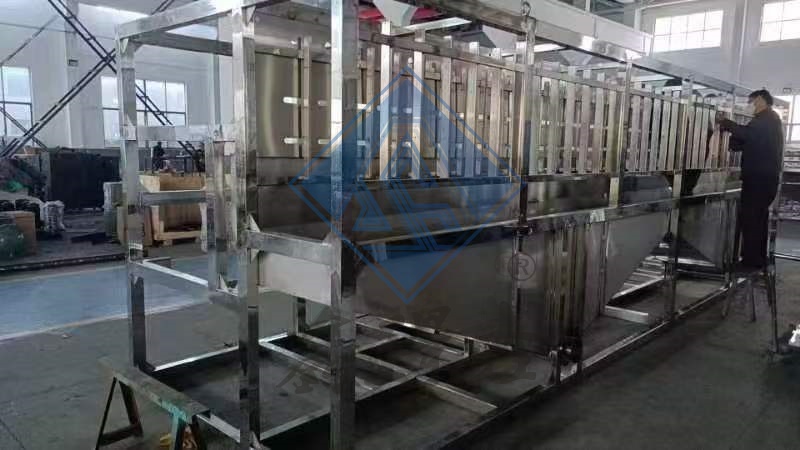 First, the display of customized voltage and logo case images, paired with customer feedback, fully demonstrates the machines’ adaptability and brand promotion value. For voltage customization, the case gallery includes images of machines adjusted to 110V for North American clients, 220V for Asian users, and 230V for European customers—each photo clearly marks the voltage parameter and the client’s industry (e.g., a 110V cube ice machine installed in a U.S. coffee chain). For logo customization, there are real shots of machines with embossed or printed logos of catering brands, hotels, and beverage companies, showing how the machines integrate with the clients’ brand image. Accompanying these images are detailed customer feedback: a European hotel group commented, “The 230V customized pellet ice machine fits our local power supply perfectly, and the logo on the machine enhances our brand recognition in the lobby”; a Southeast Asian beverage chain noted, “The customized logo cube ice machine has become a small brand display spot, receiving positive comments from customers.” These real cases and feedback eliminate users’ doubts about customization feasibility and effectiveness.Second, the provision of energy consumption and cooling effect test reports for air-cooled and water-cooled modes helps users select the most suitable cooling mode based on their actual needs. The test reports are conducted in a professional laboratory under the same ambient temperature (25°C) and water inlet temperature (20°C). For air-cooled mode, the report records that a 500kg/day pellet ice machine consumes 85 kWh of electricity per day, with a cooling speed of 15 minutes to reach the set temperature; for water-cooled mode, the same machine consumes 72 kWh of electricity per day, with a cooling speed of 10 minutes. The report also compares the two modes’ applicability: air-cooled mode is recommended for areas with sufficient ventilation (e.g., open-air food markets) as it requires no water pipe connection, while water-cooled mode is more suitable for indoor spaces with high temperature (e.g., restaurant kitchens) due to its better cooling stability. These detailed data allow users to choose the mode that balances energy saving and cooling efficiency according to their site conditions.Third, the presentation of stainless steel material test reports and wear-resistant & corrosion-resistant test videos directly proves the machines’ durability. The material test report includes results from authoritative testing institutions, confirming that the machines use 304 stainless steel (with a chromium content of 18% and nickel content of 8%), which meets food-grade safety standards and has strong anti-rust performance. The wear-resistant test video shows a steel brush rubbing the machine’s surface continuously for 10 minutes, with no scratches or paint peeling; the corrosion-resistant test video records the machine part being immersed in a 5% salt solution for 72 hours, with no rust spots appearing. These visual and written proofs address users’ concerns about material quality—especially for businesses in humid environments (e.g., seafood markets) or those using the machines for food-related purposes, ensuring the machines maintain good performance and hygiene over long-term use.By combining case displays, test reports, and material certifications, pellet and cube ice machines build a comprehensive trust system, making their advantages in customization, energy efficiency, and durability no longer empty claims but verifiable facts. This approach not only differentiates them from competitors that rely on vague promotions but also provides users with sufficient basis to judge whether the machines match their needs.
 -

Y Professional Commercial Full-Automatic Cake Production Line
1. This mechanical assembly consists of five essential components: a batter mixing unit, an oven system, a filling mechanism, a cooling module, and a sterilization component.
2. Boasting distinct advantages like full automation capability, substantial production capacity, minimal labor requirements, reduced human contact with products, and prolonged product shelf life, this fully automatic cake manufacturing line is highly favored by food processing facilities.
-

A-Tube Ice Machine offers dual savings in procurement and maintenance, along with lower energy consumption. It is even better at controlling costs compared to block ice machines.
Tube ice machines have become a cost-effective choice for businesses seeking to optimize ice-making expenses, thanks to two key advantages that directly reduce long-term costs: both initial purchase costs and subsequent maintenance costs are lower than those of similar block ice machines, and their energy consumption is significantly lower than traditional block ice machines—cutting down on long-term electricity expenses. These cost-saving features make tube ice machines particularly attractive for enterprises focused on budget control and operational efficiency.
First, tube ice machines outperform similar block ice machines in terms of cost, with lower initial purchase and long-term maintenance expenses, delivering higher cost-effectiveness. When comparing equipment of the same daily ice production (e.g., 1-ton daily output), the average purchase price of a tube ice machine ranges from 6,000to 8,000, while a block ice machine with the same capacity typically costs 9,000 to12,000—meaning the initial investment in a tube ice machine is 30% to 35% lower. In terms of maintenance, tube ice machines have a simpler structure: their ice-making cylinders and refrigeration systems have fewer moving parts, reducing wear and tear. For example, a tube ice machine only requires replacing filters and cleaning the ice-making chamber every 6 months, with annual maintenance costs averaging 300 to 400. In contrast, block ice machines need regular replacement of complex componentsSecond, tube ice machines consume significantly less energy than traditional block ice machines, substantially reducing long-term electricity 支出. This advantage stems from their optimized refrigeration technology: tube ice machines use a “direct evaporation” cooling method, where the refrigerant directly cools the water in the ice-making cylinder, eliminating heat loss from intermediate links. Testing data shows that a tube ice machine consumes only 70 to 80 kWh of electricity per ton of ice produced, while a traditional block ice machine of the same output consumes 110 to 130 kWh per ton—representing an energy savings of 30% to 38%. For a business producing 5 tons of ice daily, this translates to saving 200 to 300 kWh of electricity per day. Based on an average electricity price of 0.12perkWh,theannualelectricitycostsavingscanreac 8,760 to $13,140. This energy efficiency not only reduces operational expenses but also aligns with global environmental goals, helping businesses lower their carbon footprint while improving profit margins.Together, these two cost-saving advantages make tube ice machines a smart investment for businesses across industries—whether small cafes, seafood markets, or large-scale cold-chain logistics companies. By reducing both one-time and ongoing costs, tube ice machines allow enterprises to allocate funds to other core operations, enhancing overall competitiveness in the market. -

A-tube ice machine offers convenient installation + English manual + online engineers, thereby lowering the usage threshold.
Tube ice machines stand out not only for their ice-making performance but also for their user-friendly installation process and comprehensive after-sales support—three key advantages that address the common pain points of users worldwide: easy installation, a full English installation manual, and online consultation with senior engineers. These features significantly reduce the barriers to using tube ice machines, whether for businesses in domestic markets or those expanding overseas.
First and foremost, the easy installation design of tube ice machines saves users time and labor costs, eliminating the need for complex professional operations. Unlike traditional ice machines that require welding pipelines or modifying on-site infrastructure, tube ice machines adopt a modular structure—core components such as the refrigeration unit, ice-making cylinder, and control panel are pre-assembled at the factory. Users only need to complete three simple steps: fix the machine on a flat surface, connect it to the water supply and power sources (following local standards), and conduct a basic leak test. For example, a small to medium-sized tube ice machine (with a daily output of 300-500kg) can be fully installed and put into use within 2-3 hours by 1-2 ordinary staff, without hiring professional installation teams. This not only shortens the time from equipment arrival to operation but also reduces additional installation expenses, which is especially beneficial for small businesses or stores with limited budgets.Secondly, the provision of a full English installation manual ensures that users in English-speaking countries or regions can operate and install the machine smoothly, avoiding misunderstandings caused by language barriers. The manual is designed with clarity and detail in mind: it includes step-by-step installation diagrams (marked with part numbers and connection points), a list of required tools (with common international standards), troubleshooting guides for common installation issues (such as water pressure mismatches or power connection errors), and safety precautions (e.g., electrical insulation checks). Unlike simplified manuals that only contain text, this English manual uses a combination of pictures and text, making it easy for even users with no professional installation experience to follow. For multinational enterprises with branches in Europe, North America, or Australia, the English manual ensures consistent installation standards across all locations, avoiding operational risks caused by incorrect installation due to language confusion.Last but not least, the availability of online consultation with senior engineers provides users with timely and professional technical support, solving problems encountered during installation or use. Users can contact the after-sales team through multiple channels—including email, video calls, or a dedicated online support platform—and receive responses from engineers with over 5 years of experience in ice machine maintenance. For example, if a user encounters abnormal noise during the installation process or fails to connect the water pipeline correctly, they can share real-time photos or videos with the engineer, who will guide them through troubleshooting step by step. This online support service is available 24/7 for key markets, ensuring that problems are resolved within 1-2 hours, minimizing downtime. Compared to traditional after-sales services that require on-site visits (which may take days or weeks), this online consultation significantly improves the efficiency of problem-solving, especially for users in remote areas or overseas markets where on-site support is difficult to arrange.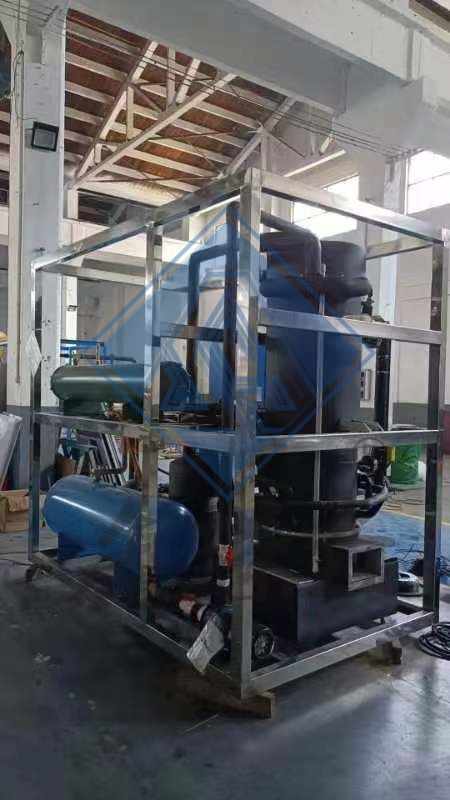
-

A-Block Ice Machine: Cost Comparison Chart + Electricity Consumption Test Report, using data to prove high value for money
Block ice machines stand out in the competitive ice-making equipment market for their commitment to transparency—specifically, by providing users with two critical resources: a detailed cost comparison table against similar products (covering purchase prices and maintenance fees) and a verifiable power consumption test report (with data on energy use per unit of ice production, compared to traditional models). These resources not only help users make informed purchasing decisions but also highlight the long-term economic and energy-saving advantages of block ice machines.
First, the provision of a cost comparison table (including purchase price and maintenance fee) offers users a clear view of the economic benefits of block ice machines compared to similar products. This table typically lists key cost indicators of 3-5 mainstream block ice machine models on the market, alongside those of the target block ice machine. For example, if the average purchase price of similar 1-ton daily output block ice machines is $8,000-$10,000, the target model might be priced at $7,500, representing a 6%-25% cost reduction in upfront investment. In terms of annual maintenance fees, similar products often require $500-$800 per year for parts replacement (such as filters and gaskets) and professional maintenance services, while the target block ice machine—equipped with wear-resistant components and a self-diagnostic system—only incurs $300-$400 in annual maintenance costs. This transparent comparison allows users to directly calculate the total cost of ownership over 3-5 years, making it easier to recognize that block ice machines offer lower initial investment and long-term maintenance savings.Second, the issuance of a power consumption test report (marking energy consumption data per unit ice production) further proves the energy efficiency of block ice machines compared to traditional models. The test report is usually conducted in a professional laboratory under standardized conditions (e.g., ambient temperature 25°C, water inlet temperature 20°C) and clearly records the energy consumption per ton of ice produced by the block ice machine. For instance, the test might show that the target block ice machine consumes only 85-90 kWh of electricity per ton of ice, while traditional block ice machines of the same output typically consume 110-130 kWh per ton. This means that for a business producing 5 tons of ice per day, the target model can save 125-225 kWh of electricity daily, translating to an annual electricity cost reduction of $4,500-$8,100 (based on an average electricity price of $0.1 per kWh). The report also includes comparative charts and test certificates to ensure data authenticity, helping users trust that the block ice machine can significantly reduce operational energy costs while maintaining stable ice production.Together, these two resources address the most common concerns of users when purchasing ice-making equipment—”Is the cost reasonable?” and “Is it energy-efficient?” By providing tangible data rather than vague claims, block ice machines build trust with users, whether they are small businesses focused on cost control or large enterprises aiming to reduce carbon footprints and operational expenses. This transparency not only differentiates block ice machines from competitors but also empowers users to invest in equipment that aligns with their long-term economic and environmental goals. -

A-Cube Ice Machine: CE-compliant for global expansion, low-profile and durable + efficient ice supply, suitable for various scenarios
Pellet ice machines and cube ice machines have become indispensable equipment for businesses aiming to expand globally and enhance operational efficiency, thanks to three key advantages: facilitating market expansion in Europe and CE-standard-recognized regions, minimizing maintenance troubles for long-term stable operation, and meeting peak ice demand in scenarios like bars and restaurants to boost customer satisfaction. These features address critical pain points of enterprises, from cross-border trade risks to daily operational stability.
First and foremost, compliance with CE standards enables these ice machines to easily enter European markets and other regions that recognize CE certification, significantly reducing trade risks. CE certification is a mandatory safety, health, and environmental protection standard for products sold in the European Economic Area (EEA), covering aspects such as electrical safety, mechanical safety, and energy efficiency. Pellet and cube ice machines that meet CE standards have undergone rigorous testing to ensure they align with local regulatory requirements—this eliminates issues like customs detention or market entry rejection due to non-compliance. For businesses planning to expand into Europe, the Middle East, or Southeast Asian countries that adopt CE standards, these ice machines act as a “passport” to the global market, helping enterprises avoid costly product modifications or re-certifications and accelerate their market penetration process.Secondly, these ice machines minimize the hassle of repairs and replacements, ensuring long-term stable operation to guarantee uninterrupted ice supply. Their core components—such as refrigeration compressors, ice-making molds, and control systems—are made of high-quality, wear-resistant materials and equipped with intelligent fault-detection technology. The fault-detection system can monitor operational parameters in real time (e.g., temperature, pressure, and power consumption) and send alerts for potential issues (like abnormal ice-making speed or excessive energy use) before they escalate into major breakdowns. This proactive maintenance approach reduces the frequency of unexpected repairs; statistics show that these ice machines have an average annual failure rate of less than 5%, far lower than the industry average of 12%. For businesses that rely heavily on ice supply (such as seafood markets or cold-chain logistics companies), stable operation means avoiding losses caused by ice shortages, ensuring smooth daily operations.Thirdly, pellet and cube ice machines excel at meeting peak ice demand in scenarios like bars and restaurants, directly improving customer satisfaction. During peak hours—such as weekend nights in bars or lunch/dinner rushes in restaurants—ice consumption surges, and insufficient ice supply can lead to delayed beverage service or compromised food freshness, resulting in customer complaints. These ice machines address this challenge with high ice production efficiency: a commercial-grade pellet ice machine can produce up to 80kg of ice per hour, while a cube ice machine of the same specification can generate 100kg of ice per hour. Additionally, their large-capacity ice storage bins (with a capacity of 50-150L) allow for pre-storing ice during off-peak hours, ensuring immediate access to sufficient ice when demand spikes. For example, a busy bar using these machines can quickly prepare iced cocktails without keeping customers waiting, while a restaurant can maintain the freshness of cold dishes with a steady supply of cube ice, ultimately enhancing the overall customer experience and fostering customer loyalty. -

automatic lollipop candy making machine production line Xinjingyao-W
- Automatic candy machine production line: handles mixing, cooking, molding, cooling, packaging; 150-600kg/h, PLC control, food-grade steel, meets GMP standards.
- Versatile automatic candy line: makes hard/soft/gummy candies, lollipops; quick mold changes, fits small/big batches, easy to operate, HACCP-compliant.
- High-efficiency candy machine line: auto raw material dosing, precise temperature control; cools fast, packages automatically, suits large-scale candy production.
- Modular automatic candy line: add cooking/packaging units; real-time monitoring, energy-saving (20% less power), ideal for snack factories, ensures candy quality.
-

automatic lollipop candy making machine production line Xinjingyao-K
- Automatic candy machine production line: handles mixing, cooking, molding, cooling, packaging; 150-600kg/h, PLC control, food-grade steel, meets GMP standards.
- Versatile automatic candy line: makes hard/soft/gummy candies, lollipops; quick mold changes, fits small/big batches, easy to operate, HACCP-compliant.
- High-efficiency candy machine line: auto raw material dosing, precise temperature control; cools fast, packages automatically, suits large-scale candy production.
- Modular automatic candy line: add cooking/packaging units; real-time monitoring, energy-saving (20% less power), ideal for snack factories, ensures candy quality.
-
Xinjingyao automatic lollipop candy making machine production line-L
- Automatic candy machine production line: handles mixing, cooking, molding, cooling, packaging; 150-600kg/h, PLC control, food-grade steel, meets GMP standards.
- Versatile automatic candy line: makes hard/soft/gummy candies, lollipops; quick mold changes, fits small/big batches, easy to operate, HACCP-compliant.
- High-efficiency candy machine line: auto raw material dosing, precise temperature control; cools fast, packages automatically, suits large-scale candy production.
- Modular automatic candy line: add cooking/packaging units; real-time monitoring, energy-saving (20% less power), ideal for snack factories, ensures candy quality.
-
automatic lollipop candy making machine production line Xinjingyao-Y
- Automatic candy machine production line: handles mixing, cooking, molding, cooling, packaging; 150-600kg/h, PLC control, food-grade steel, meets GMP standards.
- Versatile automatic candy line: makes hard/soft/gummy candies, lollipops; quick mold changes, fits small/big batches, easy to operate, HACCP-compliant.
- High-efficiency candy machine line: auto raw material dosing, precise temperature control; cools fast, packages automatically, suits large-scale candy production.
- Modular automatic candy line: add cooking/packaging units; real-time monitoring, energy-saving (20% less power), ideal for snack factories, ensures candy quality.
-
automatic lollipop candy making machine production line Xinjingyao-K
- Automatic candy machine production line: handles mixing, cooking, molding, cooling, packaging; 150-600kg/h, PLC control, food-grade steel, meets GMP standards.
- Versatile automatic candy line: makes hard/soft/gummy candies, lollipops; quick mold changes, fits small/big batches, easy to operate, HACCP-compliant.
- High-efficiency candy machine line: auto raw material dosing, precise temperature control; cools fast, packages automatically, suits large-scale candy production.
- Modular automatic candy line: add cooking/packaging units; real-time monitoring, energy-saving (20% less power), ideal for snack factories, ensures candy quality.
-

A-Flake Ice Machine: Customizable voltage, fast ice production, uniform ice quality, low noise
Flake ice machines have become a favored choice for businesses across various industries, thanks to their four core advantages that address practical ice-making needs—customizable voltage, fast ice production, high-quality ice flakes, and low operating noise. These features not only enhance operational flexibility but also ensure a reliable and user-friendly ice-making experience.
First and foremost, the customizable voltage design of flake ice machines makes them highly adaptable to global electrical standards, eliminating barriers for cross-border use. Whether a business operates in regions with 110V power supply (such as North America), 220V (common in Asia), or 230V (standard in Europe), the machine can be tailored to match local voltage requirements. This eliminates the need for additional voltage converters, which not only saves costs but also reduces the risk of equipment damage caused by voltage mismatches. For multinational catering chains or seafood processing plants with overseas branches, this customization ensures consistent ice supply across all locations, avoiding operational disruptions due to electrical incompatibility.Secondly, flake ice machines stand out for their fast ice production speed, a critical advantage for high-demand scenarios. Equipped with advanced refrigeration compressors and optimized ice-making chambers, these machines can start producing ice within minutes of being powered on, and their hourly output is significantly higher than that of traditional ice-making equipment. For example, a commercial-grade flake ice machine can generate up to 100kg of ice per hour—ideal for busy restaurants during peak dining hours, large-scale food markets that need continuous ice to preserve fresh produce, or medical facilities requiring immediate ice for cooling purposes. This fast production speed ensures that businesses never face ice shortages, even during sudden surges in demand.Thirdly, the flake ice produced by these machines boasts excellent quality, with a thickness ranging from 1.5mm to 2.8mm. This optimal thickness range balances two key needs: rapid cooling and minimal melting. Thinner than 1.5mm, ice flakes might melt too quickly, while thicker than 2.8mm, they could be less efficient at transferring cold. The uniformly thick ice flakes also have a soft texture, making them suitable for a variety of applications—from covering seafood to keep it fresh without damaging the delicate flesh, to mixing into smoothies or cold desserts without creating a gritty texture. Additionally, the consistent thickness ensures even cooling, which is crucial for industries like pharmaceuticals, where precise temperature control is essential for preserving sensitive products.Last but not least, flake ice machines operate with extremely low noise, making them suitable for noise-sensitive environments. By integrating sound-absorbing materials in the machine casing and adopting silent motor technologies, their operating noise is typically kept below 50 decibels—quieter than a normal conversation. This is a significant advantage for settings like high-end hotels, cafes, or hospitals, where excessive noise could disturb customers, guests, or patients. Unlike traditional ice machines that produce loud humming or vibrating sounds, the quiet operation of flake ice machines allows them to be placed in visible areas (such as hotel lobbies or cafe counters) without disrupting the overall atmosphere.




