

Operators pass health inspections on the first attempt by aligning physical equipment with municipal codes before construction starts. Integrating mandatory sanitation features into a custom layout prevents costly operational delays. Smart entrepreneurs master compliance through proactive code reviews, equipment checks, and mock audits for every Customized Food Truck.
Section 1: Pre-Design Compliance for Your Customized Food Truck
Proactive compliance planning ensures smooth operational approval for every mobile culinary business. Operators must align physical trailer specifications with municipal standards before assembling kitchen hardware.
Review Local Health Department Codes First
- Plan Review & Approval: Initial submittals require menu-based risk evaluations and formal commissary agreements.
- Water & Plumbing Systems: Regulations mandate minimum potable water capacities and freeze-protection safeguards.
- Sanitization & Washing Specs: Layouts must feature dedicated hand-wash sinks and three-compartment ware-washing setups.
- Food Safety & Monitoring Equipment: Vehicles require commercial refrigeration units, physical thermometers, and temperature logging systems.
Partner with Certified Custom Truck Builders
- 1 Mandatory Orientation: Applicants complete a designated Mobile Food Service Class to receive official plan review applications.
- 2 Facility & Amenities Agreements: Business owners finalize contracts with commercial commissaries and secure restroom access agreements.
- 3 Application & Guideline Submission: Builders submit detailed blueprints along with required plan review fees to municipal departments.
Selecting a reliable builder like Jingyao Industrial ensures high-quality assembly. Their Customized Food Truck units feature premium 304 stainless steel interiors, professional-grade chassis, and international COC, DOT, and CE certifications.
Verify Permit and License Requirements
- Food Permit Application: Submittals must reach official state departments at least 21 days before launching operations.
- Commissary Letter of Agreement: Applicants present signed commissary contracts during initial vehicle inspections.
Section 2: Designing a Compliant Customized Food Truck Layout
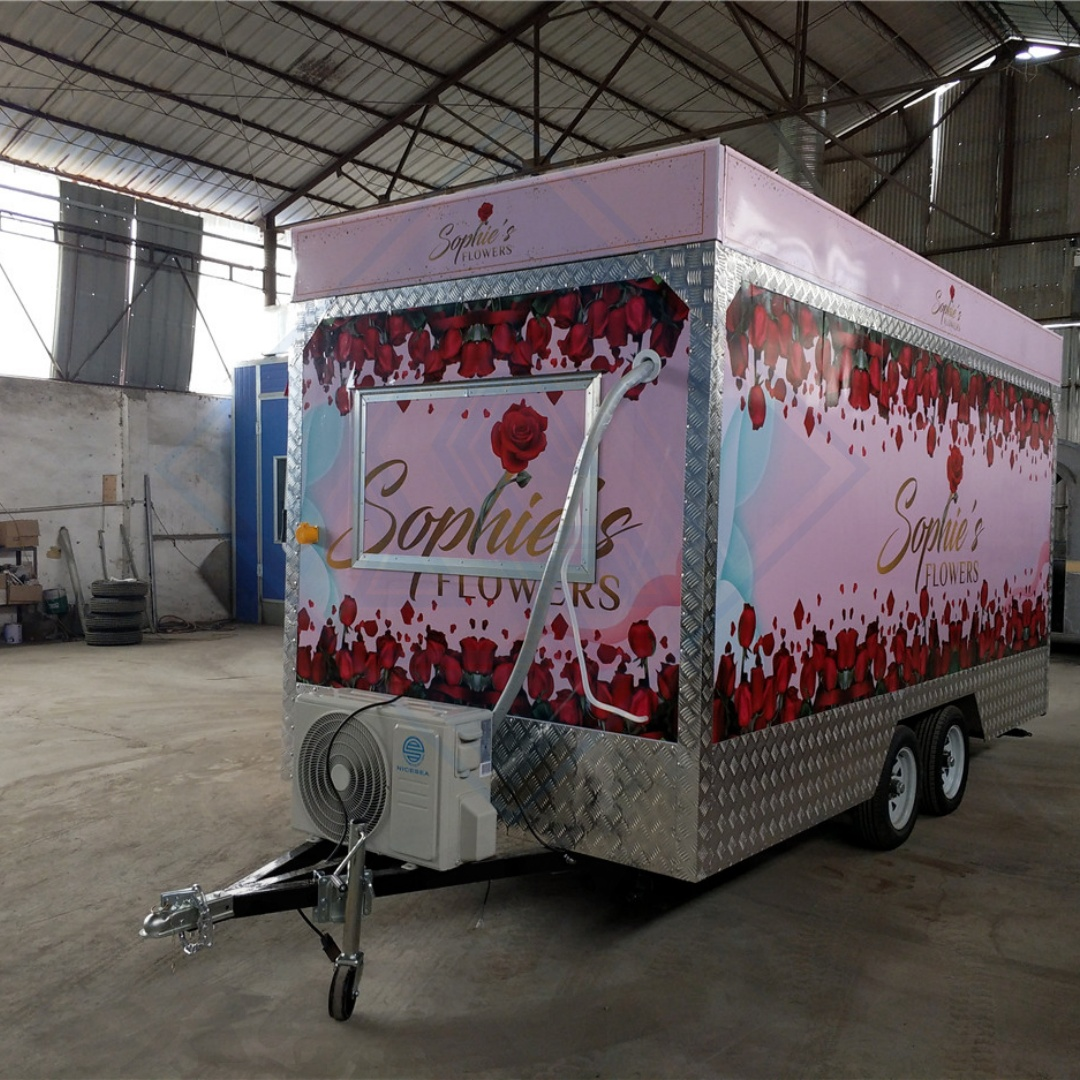
Proper physical design turns regulatory compliance into a seamless daily routine. Mobile business owners streamline operations and eliminate cross-contamination risks by structuring internal layouts around strict food safety principles.
Building a operational floor plan requires adherence to the Linear Food Path Principle. Kitchen staff move ingredients along a clear sequence:
- Cold & Dry Storage Zone: Houses refrigeration systems and dry storage racks directly next to food preparation areas.
- Food Preparation Zone: Provides clean counters for chopping and raw assembly between storage units and cooking ranges.
- Cooking Line: Positions hot equipment sequentially based on menu steps to maintain continuous kitchen movement.
- Service & POS Window: Serves plated food and processes payments away from hot appliances to eliminate worker bottlenecks.
| Category | Essential Requirement | Safety & Workflow Purpose |
|---|---|---|
| Plumbing & Hygiene | 3-Compartment Sink | Washes, rinses, and sanitizes kitchen utensils; accommodates the largest cooking pots |
| Dedicated Handwashing Sink | Prevents cross-contamination; supplies hot/cold water, hand soap, and paper towels | |
| Oversized Gray Water Tank | Collects wastewater safely; exceeds freshwater tank volume to prevent spills | |
| Equipment Clearances | Main Walkway Aisle | Guarantees a minimum 36-inch aisle width for secure employee mobility |
| Spacing & Ventilation | Maintains gaps between heat sources; requires exhaust hoods over grease appliances | |
| Fire Suppression | Auto Hood System & Class K Extinguisher | Controls grease fires instantly inside compact vehicle spaces |
Separate Handwashing and Food Prep Sinks
- Water Temperature Mandates: Sinks must deliver hot water at a minimum temperature of 85°F under the 2022 FDA Food Code. Local mandates like Los Angeles County require strict water temperatures between 100°F and 108°F.
- Placement and Accessibility: Workers must access handwashing stations easily without passing through physical barriers from prep or dishwashing stations.
- Drainage and Safety Certifications: Assemblies require verified NSF-certified drainage components to maintain continuous sanitation standards.
- Self-Contained Portable Plumbing Specifications: Vehicles need dedicated freshwater supply tanks, gray wastewater collection tanks, heating units, and hands-free mechanisms like foot pedals or motion sensors.
- Dedicated Handwashing Requirements: Municipalities require standalone handwashing units separate from dishwashing areas, or a designated fourth basin in four-compartment setups.
Install Certified Commercial Kitchen Equipment
Commercial food trucks demand commercial-grade cooking appliances built for continuous heavy use. Health departments reject home kitchen equipment because uncertified units lack thermal stability and proper sanitation seals.
| Requirement Reason | Explanation & Impact |
|---|---|
| Public Health & Material Safety | Confirms equipment meets recognized ANSI-accredited public health, sanitation, and structural standards. |
| Health Department Approval | Satisfies FDA Food Code rules, giving local health inspectors immediate proof of code compliance. |
| Structural & Sanitation Reliability | Prevents road vibrations, intense heat, and high humidity from creating trapped debris hazards inside cabinet joints. |
| Venue & Event Access | Satisfies mandatory sanitation criteria set by corporate venues and event directors to lower liability risks. |
Select Non-Porous Cleanable Stainless Steel Surfaces
Kitchen wall panels, counter surfaces, and floor covers must resist moisture, grease, and harsh chemical cleaners. Porous materials like raw wood absorb liquids, harbor dangerous bacteria, and fail health inspections instantly.
Jingyao Industrial constructs interior walls and work surfaces using high-grade 304 stainless steel. This rust-resistant alloy provides smooth, non-porous surfaces for effortless wiping. The heavy-duty metal withstands daily heat exposure and physical wear, yielding a reliable operational service life exceeding thirty years.
Ensure Adequate Refrigeration and Water Capacity
| Region / Standard | Minimum Wastewater (Grey) Tank Capacity Requirement |
|---|---|
| General Health Code | Minimum of 15% larger than the freshwater tank |
| California | Exactly 50% larger than the freshwater tank |
| Texas | Between 15% and 30% larger than the freshwater tank |
| Florida | Minimum of 15% larger than the freshwater tank |
The Customized Food Truck With Full Kitchen Y-XINJINGYAO provides customizable plumbing frameworks to meet these strict municipal ratios.
Section 3: Standard Operating Procedures & Inspection Documentation
Maintain Daily Temperature and Maintenance Logs
| Operational Phase | Recommended Logging Frequency | Key Temperature Requirements |
|---|---|---|
| Opening Checklist | Prior to starting service | Coolers: ≤ 41°F; Hot Holding: ≥ 135°F |
| Active Service | Minimum every 2 hours | Cold & Hot Holding: Every 2 hours |
| Delivery Intake | Immediately upon receipt | Refrigerated: ≤ 41°F; Frozen: Solid (≤ 0°F) |
Prepare Required HACCP Plans and Documents
HACCP Compliance Core Components:
├── 1. Process Controls (Cooling logs, reheating ≥ 165°F)
├── 2. Mobile Infrastructure (Water tank sanitization records)
├── 3. Personnel Health (FDA Form 1-B health agreements)
└── 4. Standard Operating Procedures (Thermometer calibration logs)
Section 4: Inspection Day Strategy for a Customized Food Truck
| Action Item | Best Practice |
|---|---|
| Escort Inspector | Accompany the official throughout the mobile kitchen. |
| Provide Records | Present temperature logs and permits instantly. |
| Ask Questions | Request clarification on specific code rules. |
Frequently Asked Questions
How does custom layout design help food trucks pass health inspections?
Custom layouts align commercial equipment and dedicated plumbing directly with local health codes. Pre-planned designs prevent cross-contamination and eliminate expensive structural retrofits before opening.
What certifications ensure food truck equipment meets municipal sanitation standards?
Health departments require ANSI-accredited and NSF-certified commercial appliances. Units with international COC, DOT, and CE certifications verify structural safety, street-legality, and easy sanitization.
Why must wastewater tanks exceed freshwater tank capacities?
Municipal codes mandate larger wastewater tanks to prevent dirty water overflows. Expansive grey water storage protects public health during active food service operations.
Post time: Aug-04-2026


