

The automatic ice cube maker from Jingyao transforms business operations in 2026. Businesses gain efficiency as the machine automates ice production, storage, and cleaning. Staff spend less time on repetitive tasks. This technology lowers labor costs and supports reliable ice supply for industries that demand consistent performance.
Tasks Automated by an Automatic Ice Cube Maker

Eliminating Manual Ice Production
Businesses in 2026 no longer rely on staff to perform repetitive ice-making tasks. The automatic ice cube maker streamlines the entire process, removing the need for manual labor. Staff do not need to fill trays, monitor ice levels, or empty trays. This automation ensures a consistent supply of ice and allows employees to focus on more valuable responsibilities.
| Manual Tasks Eliminated | Description |
|---|---|
| Filling ice trays | Users no longer need to fill trays with water. |
| Emptying ice trays | No need to manually remove ice from trays. |
| Monitoring ice levels | Automatic makers provide a consistent supply. |
By automating these steps, businesses reduce labor hours and improve operational efficiency.
Automated Storage and Handling
The automatic ice cube maker manages the entire ice production cycle, from freezing to collection. Staff do not need to intervene during these stages. The machine handles freezing, harvesting, purging, and collecting ice cubes, ensuring that ice remains clean and ready for immediate use.
| Step | Description |
|---|---|
| Freezing | Water turns into ice cubes in the freezer. |
| Harvesting | Heat releases the ice cubes into the bin. |
| Purging | Machine removes leftover water to keep ice clean. |
| Collection | Ice cubes gather in the bin, ready for use in drinks or displays. |
This level of automation minimizes the risk of contamination and guarantees a steady supply of ice for high-demand environments.
Self-Cleaning and Maintenance
Routine cleaning and maintenance often require significant staff time. The automatic ice cube maker in 2026 features advanced self-cleaning technologies, touchless dispensing, and easy-to-remove tanks. These features simplify upkeep and reduce the need for manual intervention.
| Feature | Description |
|---|---|
| Self-Cleaning | Standard in several models, allowing for easy maintenance without manual effort. |
| Touchless Dispensing | Provides convenience by dispensing ice without the need for physical contact. |
| Large Removable Tank | Facilitates easy filling and cleaning, enhancing user experience. |
| Portable Design | Some models are designed for both indoor and outdoor use, making them versatile. |
| Fast Ice Production | Capable of producing up to 45 lbs of ice per day, ensuring a steady supply for various needs. |
| LCD Sensor Light | Adds functionality and ease of use, indicating when the machine is in operation. |
The integration of self-cleaning features streamlines the cleaning process. Businesses experience lower labor requirements for routine maintenance, which leads to greater efficiency and cost savings. The use of advanced water filtration, food-grade materials, and stainless steel interiors further enhances hygiene and reduces contamination risks.
2026 Features and Operational Impact of Automatic Ice Cube Maker
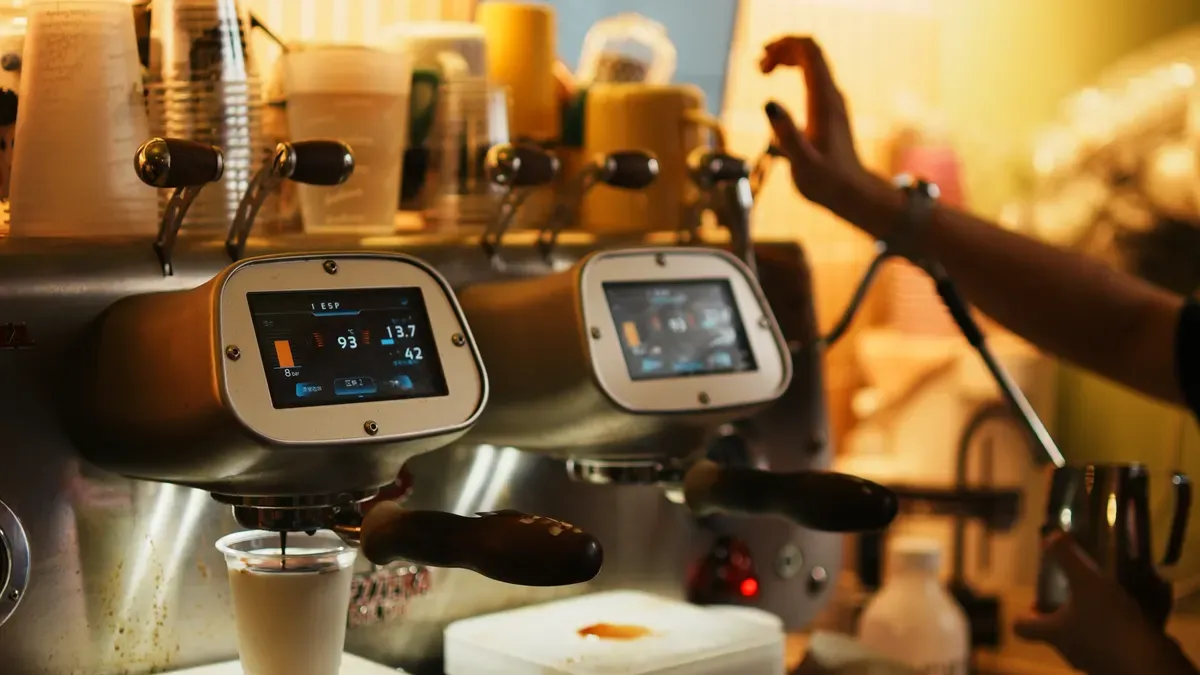
Smart Controls and Remote Monitoring
In 2026, smart controls have become standard in the latest automatic ice cube maker models. These controls allow operators to manage ice production with precision and ease. Machines now feature automatic water filling, adjustable ice thickness, and room temperature adjustment. These innovations ensure that ice quality remains consistent and energy use stays optimized. The integration of flat wall heat exchange technology and hot gas deicing further boosts production speed and reduces power consumption.
| Feature | Contribution to Efficiency |
|---|---|
| Automatic water filling | Keeps the machine running continuously without manual input. |
| Adjustable ice thickness | Ensures consistent ice quality, enhancing user satisfaction. |
| Room temperature adjustment | Optimizes energy use by adapting to environmental changes. |
| Flat wall heat exchange tech | Increases ice production speed, improving overall output. |
| Hot gas deicing | Reduces power consumption while efficiently releasing ice cubes. |
Remote monitoring has transformed equipment oversight. Operators can now track machine performance in real time from any location. This advancement reduces the need for frequent manual checks and minimizes staffing dedicated to equipment management. Predictive maintenance capabilities alert users before issues arise, further decreasing the need for on-site staff.
Predictive Maintenance and Alerts
Predictive maintenance technologies in 2026 automatic ice cube makers help businesses avoid unexpected downtime. These machines use remote monitoring, smart sensors, and automated alerts to identify potential problems before they disrupt operations.
| Feature | Description |
|---|---|
| Remote Monitoring | Enables real-time tracking of ice machine performance, allowing for prompt issue identification. |
| Predictive Maintenance | Identifies potential problems before they disrupt operations, scheduling service checks automatically. |
| Smart Sensors | Alerts users to issues like water supply interruptions or temperature deviations for quick intervention. |
- Smart sensors can notify operators of:
- Water supply interruptions
- Temperature deviations outside optimal range
This proactive approach ensures smooth operations and minimizes downtime. Predictive maintenance features also automate monitoring, reducing the need for human oversight. Technicians can focus on repairs instead of routine checks, saving time and decreasing the number of on-site visits. Work order creation becomes streamlined through mobile tools, allowing each technician to save significant time every week.
Efficiency, Cost Savings, and Staff Allocation
The automatic ice cube maker delivers measurable improvements in efficiency and cost savings. Newer models consume 15-20% less energy than older machines, thanks to advanced refrigerants and optimized systems. Some businesses have reported a 22% reduction in electricity costs after upgrading their equipment.
- Modern ice makers provide a stable and efficient daily ice supply.
- Staff can focus on more critical tasks instead of ice production.
- Businesses can reallocate employees to higher-value roles, such as customer service or operations management.
This shift in staff allocation leads to better resource utilization and improved service quality. The reduction in manual labor and technical oversight translates directly into lower operational costs.
Industry Examples: Restaurants, Healthcare, and Event Venues
Restaurants benefit from the consistent ice supply and reduced labor requirements. Staff can dedicate more time to food preparation and customer service, improving overall guest satisfaction.
Healthcare facilities experience enhanced hygiene standards due to self-sanitizing cycles and antimicrobial materials in automatic ice cube makers. These features lower contamination risks and support patient safety. Reliable ice availability allows healthcare staff to focus on essential duties, such as patient care and medication management, rather than ice management. Ice also plays a critical role in patient hydration and comfort, supporting recovery and well-being.
Event venues require large quantities of ice for various functions. The automation of ice production ensures that events run smoothly without last-minute shortages. Staff can concentrate on event logistics and guest experience, knowing that ice supply remains uninterrupted.
Tip: Businesses across industries can optimize workflow and reduce staffing needs by investing in advanced automatic ice cube makers.
Automatic ice cube makers in 2026, such as Jingyao’s Y-XINJINGYAO, help businesses streamline operations and reduce staffing needs. Companies benefit from:
- Lower labor requirements
- Long-term cost savings that outweigh initial investments
- Energy-efficient operation that reduces monthly expenses
These machines represent a smart investment for future-focused businesses.
FAQ
Q. How does the automatic ice cube maker reduce staffing needs?
The machine automates ice production, storage, and cleaning. Staff can focus on higher-value tasks. Businesses see fewer labor hours and improved efficiency.
Q. What industries benefit most from automatic ice cube makers?
Restaurants, healthcare facilities, and event venues gain the most. These industries require consistent ice supply and benefit from reduced manual labor.
Q. Is maintenance difficult for the Y-XINJINGYAO model?
Maintenance remains simple. Self-cleaning features and smart alerts help operators manage upkeep efficiently. Staff spend less time on routine maintenance.
Post time: Jul-02-2026


